Kenton garden waste rules Harrow Council fines explained
If you live in Kenton and you've ever stared at a heap of hedge clippings, old turf, and bagged leaves wondering what on earth you're meant to do with it, you are not alone. Garden waste seems harmless enough, until the wrong bag ends up in the wrong place and suddenly the whole thing becomes a council issue. This guide to Kenton garden waste rules Harrow Council fines explained breaks it down in plain English: what the rules generally mean, where people go wrong, how fines can happen, and what sensible steps keep you on the right side of things.
Truth be told, most problems are avoidable. A little planning goes a long way, especially if you're doing your own garden clearance or scheduling regular upkeep. If you want a broader view of professional help that fits in with tidy, responsible waste handling, it can also be useful to look at the team's services overview and their approach to recycling and sustainability.
Table of Contents
- Why Kenton garden waste rules Harrow Council fines explained matters
- How Kenton garden waste rules Harrow Council fines explained works
- Key benefits and practical advantages
- Who this is for and when it makes sense
- Step-by-step guidance
- Expert tips for better results
- Common mistakes to avoid
- Tools, resources and recommendations
- Law, compliance, standards, or best practice
- Options, methods, or comparison table
- Case study or real-world example
- Practical checklist
- Conclusion
- Frequently asked questions
Why Kenton garden waste rules Harrow Council fines explained matters
Garden waste rules are one of those local issues that only become interesting when something goes wrong. A bin is overfilled, a sack is left beside the pavement, or a contractor dumps clippings in the wrong container. Then the calm little chore of tidying the garden turns into a warning letter, a fixed penalty, or a very irritating conversation with the council. Not fun.
The main reason this matters is simple: green waste is still waste. It may be biodegradable, but it is not automatically acceptable wherever you want to leave it. Harrow Council, like most councils in London, expects residents to present waste correctly, avoid fly-tipping, and use approved disposal routes. If you are in Kenton, those expectations apply just the same.
There is also a practical side. Proper separation of garden waste helps prevent contamination, supports recycling, and reduces the chance of missed collections. A wet bag of grass cuttings mixed with soil, plastic pots, and a broken trellis is much more likely to be rejected than a clean load of organic material. Simple, but easily overlooked on a busy Saturday morning.
Expert summary: the safest approach is to treat garden waste like any other household waste stream: sort it, store it properly, and only present it in the way your local collection or disposal route allows.
If you are already planning a bigger seasonal tidy-up, such as after hedge cutting or a full border reset, it may help to coordinate that work with garden maintenance or a more substantial garden clearance so the waste is handled in one organised go rather than in awkward little piles.
How Kenton garden waste rules Harrow Council fines explained works
At a practical level, the system works like this: you create garden waste, you decide whether it can go in a council collection, a home compost setup, or a licensed disposal route, and you make sure it is presented cleanly and correctly. If you get the presentation or disposal wrong, the council can step in.
There are a few common routes:
- Garden waste bin collections for suitable organic material, where available and subscribed to.
- Home composting for grass cuttings, leaves, and many soft clippings.
- Reuse or repurpose for branches, mulch, and some prunings.
- Professional clearance or licensed disposal when the volume is too large or the waste is mixed.
Where fines come in is usually where someone bypasses these routes. For example, leaving bags on the street, putting garden waste into the wrong bin, or asking an unlicensed remover to "just take it away". That last one is a classic mistake. If the waste is fly-tipped later, the person who arranged it can still end up dealing with the headache.
One thing people often miss is that "garden waste" is not one single category. Fresh grass, thorny trimmings, branches, soil, rubble from landscaping work, treated timber, and decorative pots all behave differently from a disposal point of view. A tidy pile in the corner of the lawn can turn into a mixed waste problem very quickly once someone starts chucking in old fence panels. Happens all the time, honestly.
If tree branches or larger woody material are involved, the job becomes more complex and may need specialist handling. In that case, tree lopping and removal can be the more suitable route, especially when the material is bulky, heavy, or awkward to transport safely.
Key benefits and practical advantages
Following the rules is not just about avoiding penalties, although that is a pretty good reason on its own. There are several everyday advantages to doing it properly.
- Lower risk of fines from improper presentation or unauthorised disposal.
- Cleaner outdoor spaces with less clutter lingering in the garden.
- Better recycling outcomes when organic waste is kept separate.
- Less pest attraction because waste is not left sitting around damp and exposed.
- Smoother collections when the council can lift the waste without issue.
- Less stress if you are selling, renting, or simply trying to keep the property respectable.
There is also a quieter benefit that people rarely mention: your garden looks and feels better. Freshly cut grass does not smell too bad, to be fair, but mixed-up waste left in the rain quickly becomes messy and grim. If you've ever opened a soggy bag of leaves after a wet week in London, you'll know the feeling. Not lovely.
For people who like to keep a regular routine, services such as lawn mowing, hedge trimming, and general garden maintenance can help prevent waste from building up into a bigger disposal job later.
Who this is for and when it makes sense
This topic matters to a few different groups, and the reasons are not exactly the same.
- Homeowners who manage their own gardens and need to know what they can safely set out.
- Landlords and property managers who want to avoid complaints about untidy exterior spaces or waste left behind.
- Tenants who are responsible for a garden as part of their agreement.
- Busy families who tackle the garden in bursts and need a simple system that actually works.
- People doing seasonal clearances after pruning, storm damage, or a long-overdue reset.
- Anyone hiring help and wanting to make sure the contractor is disposing of waste correctly.
It makes sense to think about the rules before the bins are overflowing. That is the key point. If you wait until the garden is already piled high with bags, branches, and broken planters, the decision-making gets rushed, and rushed decisions are where mistakes creep in.
For bigger projects, especially where you are reshaping beds, adding hard surfaces, or refreshing the whole layout, options like landscaping and landscape gardening may produce more waste than a normal tidy-up, so planning disposal in advance is worth it. A lot worth it.
Step-by-step guidance
If you want a straightforward approach, use this sequence.
- Sort the waste by type. Separate soft green waste, woody material, soil, rubble, plastic pots, and any treated wood or mixed debris.
- Check what your local collection accepts. Councils are often strict about contamination, so keep things clean and uncluttered.
- Keep waste off the pavement. Do not leave bags or branches where they block access or look like fly-tipping.
- Use a proper container or collection route. That may mean a garden waste bin, a compost heap, or a licensed clearance service.
- Bag or bundle neatly. Loose waste is harder to collect and easier to reject.
- Avoid mixing in non-organic material. A few bits of plastic, stones, or old fencing can turn a simple load into a much more awkward one.
- Dispose of large volumes quickly. The longer waste sits, the more it becomes a nuisance, especially in warm or wet weather.
- Keep records if you hire someone. Ask questions about where the waste goes and whether disposal is properly managed.
If a job has already grown beyond a quick bin tidy, it can be more sensible to book a planned clearance than to keep improvising. You will usually get a cleaner result and fewer chances for things to go sideways.
And yes, if your hedge has decided to launch a full rebellion this spring, you are not the first person to face a mountain of branches on a Sunday afternoon.
Expert tips for better results
Here are the practical habits that make the biggest difference.
- Cut and clear in stages. A little sorting after each task is easier than one huge end-of-day mess.
- Keep a separate pile for woody waste. Branches, stems, and thorny cuttings behave differently from grass and leaves.
- Use dry storage where possible. Wet waste is heavier, messier, and harder to handle.
- Don't overfill bags. Overstuffed sacks split, tip, and create avoidable problems.
- Think about access. If a vehicle or team needs to reach the waste, leave enough space to move safely.
- Plan around weather. A dry morning can make all the difference to the practicality of the job.
- Ask for disposal clarity. If a contractor is removing waste, make sure you understand what happens next.
Small detail, big impact. That is the pattern with garden waste. A few minutes of preparation can prevent an afternoon of re-bagging, sweeping, and muttering under your breath.
If you are comparing service options, a sensible place to start is the business's pricing and quotes page, then look at their general insurance and safety information so you know the work is being handled properly. It is boring paperwork, yes, but it matters.
Common mistakes to avoid
Most council fines or warnings related to garden waste tend to stem from a handful of repeated errors.
- Leaving waste beside the bin when the bin is full or not collected.
- Mixing garden waste with general rubbish, especially packaging, broken pots, or old household items.
- Using the wrong bin because the pile "looks organic enough".
- Dumping waste in communal areas and assuming someone else will deal with it.
- Ignoring heavy or awkward material like soil, turf, or large branches.
- Hiring the cheapest removal option without checking whether the waste will be handled lawfully.
- Assuming all councils treat green waste the same way. They do not, and even local arrangements can change.
A particularly common issue in Kenton is mixed garden and renovation waste after a weekend DIY effort. A bit of hedge cuttings, a cracked planter, some old decking offcuts, and suddenly you have crossed into a different disposal category. If decking removal or outdoor upgrades are involved, it is worth looking at decking services as part of the planning conversation, because the waste profile changes fast.
Another thing: don't assume a neat-looking pile is harmless if it is sitting where pedestrians, neighbours, or collection crews have to step around it. Councils often care about presentation as much as contents. Fair enough, really.
Tools, resources and recommendations
You do not need specialist kit for most small garden jobs, but having the right basics makes compliance easier.
- Heavy-duty garden bags for clean, separated waste.
- Secateurs, loppers, and a rake to keep the waste manageable.
- Tarpaulin sheets to collect debris neatly before bagging.
- Wheelbarrow or tub trug for moving clippings without scattering them everywhere.
- Compost bin or heap for organic material that can break down naturally.
- Gloves and sturdy footwear because brambles and hidden debris are never as friendly as they look.
For larger or more awkward jobs, a professional clearance service is often the calmer option. It is not just about lifting heavy loads. It is about sorting, handling, transporting, and disposing of them correctly without turning the driveway into a mini dumping ground.
You may also want to think about how the rest of the garden is managed through the year. A consistent routine with garden maintenance can reduce the amount of waste you generate at once, while lawn mowing and hedge trimming keep materials smaller and easier to handle.
Law, compliance, standards, or best practice
Without pretending to give legal advice, the safe way to think about this is simple: garden waste should be managed in a way that does not create nuisance, illegal dumping, or contamination. Local councils expect residents to follow their collection rules, and they can issue fines or enforcement notices where waste is left incorrectly or disposed of irresponsibly.
Best practice in the UK typically means:
- keeping garden waste separate from general household waste;
- avoiding fly-tipping and unlicensed disposal;
- using the correct collection service or lawful disposal route;
- ensuring contractors are reputable and insured;
- presenting waste neatly and safely for collection;
- minimising contamination from plastics, soil, rubble, or treated materials.
If you are responsible for a property, especially one with regular upkeep needs, it is worth treating garden waste compliance as part of the normal maintenance routine rather than as an afterthought. That is the real best practice. Not dramatic, just consistent.
Businesses or landlords with repeat garden work should also pay attention to the paperwork side. A clear service agreement, sensible payment terms, and a visible complaints route all help when there is a dispute or misunderstanding. The company's terms and conditions and complaints procedure are the sort of pages that show whether a service is run in an organised way.
Options, methods, or comparison table
Below is a simple comparison of the most common garden waste handling options for Kenton households.
| Method | Best for | Pros | Watch-outs |
|---|---|---|---|
| Garden waste bin collection | Routine light-to-moderate clippings | Convenient, familiar, tidy | Can be restricted by size, contamination, or collection rules |
| Home composting | Grass, leaves, soft cuttings | Low cost, sustainable, useful for the garden | Not suitable for everything; needs space and patience |
| DIY transport to disposal | Small to medium clear-outs | Direct control over what happens next | Requires vehicle space, time, and correct sorting |
| Professional clearance | Large, mixed, or heavy loads | Efficient, safer, less hassle | Costs more than doing it yourself |
There is no single "best" method. It depends on volume, waste type, access, and how much time you want to spend dealing with it. If you've got a neat pile of grass clippings, composting may be ideal. If you've just cleared an overgrown corner with branches, old pots, and a few surprises buried in the weeds, a structured clearance is often the saner choice.
Case study or real-world example
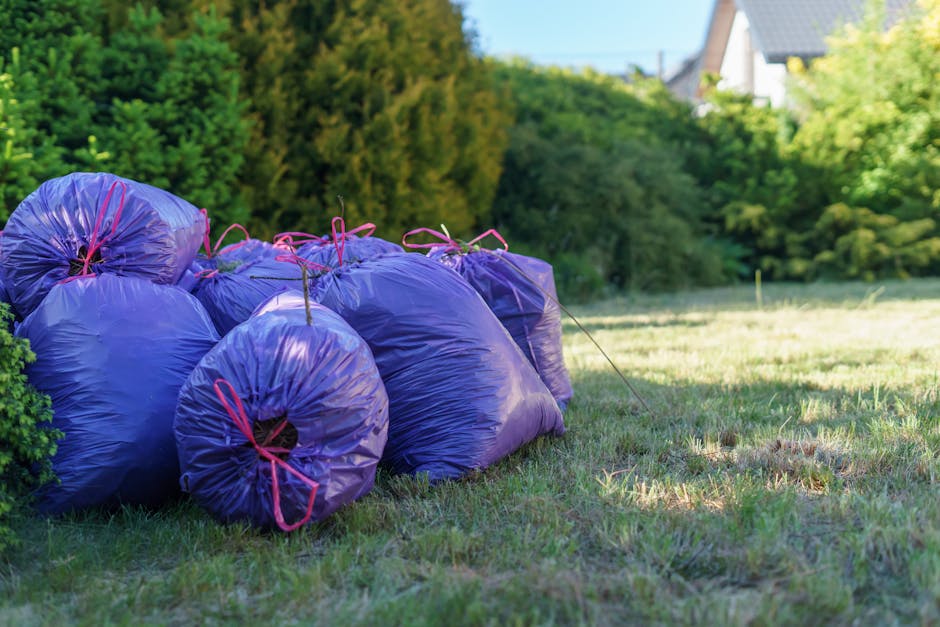
Imagine a typical Kenton front and back garden after a late-summer tidy-up. The owners cut back two hedges, mow the lawn, lift a few dead plants, and start bagging everything in whatever sacks they can find. By the end, there are four heavy bags of cuttings, a bundle of thicker branches, and a broken plastic planter that was hiding behind the shed. It looks manageable at first glance.
Then the rain starts. The bags become heavier, one splits, and half the contents end up across the path. The owners were planning to leave the waste by the kerb for collection, but now they are not sure whether that is allowed, whether the mix of material will be accepted, or whether the whole lot needs sorting again. That is exactly how a simple tidy-up becomes a stressful little weekend saga.
The better approach would have been to sort soft green waste, woody material, and non-organic bits separately from the start. If the amount was too much for the normal bin system, they could have arranged a proper clearance and saved themselves the second round of work. No drama, no extra mess, and no guesswork.
That is really the heart of it: a clean process prevents awkward outcomes. You do not need to be an expert gardener to get it right. You just need a decent system.
Practical checklist
Use this checklist before you dispose of any garden waste in Kenton.
- Have I separated green waste from general rubbish?
- Have I removed plastic, metal, stones, and treated wood?
- Is the waste going into the correct bin or collection route?
- Have I avoided leaving sacks or branches on the pavement?
- Is the load small enough and clean enough for the chosen method?
- Do I know whether the material needs special handling?
- Have I checked the service terms if I'm hiring someone?
- Is the waste stored safely and neatly until collection?
- Would a compost heap, clearance service, or staged removal be better?
- Have I left the area tidy enough that a neighbour would not roll their eyes?
If you can tick most of those off, you are in a strong position. If not, pause and sort it before it becomes a bigger job. A little patience here saves a lot later.
Conclusion
Garden waste rules can feel like one more thing to think about, but they are usually straightforward once you understand the basics. Keep organic material separate, use the correct disposal route, avoid leaving waste where it creates nuisance, and be careful about who handles it if you hire help. That is the core of Kenton garden waste rules Harrow Council fines explained in everyday terms.
The real win is not just avoiding fines. It is keeping your garden tidy, your home presentable, and your weekends calm enough to enjoy. And that, frankly, is worth a lot. If you want support with larger clearances, routine upkeep, or a more organised way to handle seasonal garden waste, the sensible next step is to look at the options and plan the job properly.
Get a free quote today and see how much you can save.
Frequently Asked Questions
What counts as garden waste under Harrow Council rules?
In general, garden waste means organic material from normal garden maintenance, such as grass cuttings, leaves, hedge trimmings, and small branches. Mixed waste, soil, rubble, treated timber, and old garden items may need different handling.
Can I leave bags of garden waste next to my bin?
Usually, no. Leaving bags beside the bin can be treated as improper presentation or even fly-tipping depending on the circumstances. The safer option is to use the correct collection method and keep waste contained.
Will Harrow Council fine me for the wrong garden waste in the bin?
It is possible. If waste is contaminated, incorrectly presented, or dumped in a way that breaches local rules, enforcement action may follow. The exact outcome depends on the situation, but it is better not to test it.
Can I compost garden waste at home instead of using council collection?
Yes, often you can, especially for leaves, grass cuttings, and soft plant material. Composting is a sensible option if you have space and are comfortable managing it properly.
What should I do with large branches or tree cuttings?
Larger woody material may need bundling, chipping, or specialist removal. If the volume is significant, a dedicated tree or clearance service is often the easiest route.
Does soil count as garden waste?
Soil is usually treated differently from green waste. It can be heavy, messy, and unsuitable for normal garden collection, so it often needs separate disposal planning.
How can I avoid problems if I hire someone to remove my garden waste?
Choose a reputable, insured provider, ask how the waste will be handled, and make sure the service is clear about disposal and responsibilities. If something feels vague, ask again.
Is fly-tipping garden waste a serious issue in Kenton?
Yes, it can be. Garden waste dumped in the wrong place can create nuisance, block access, and lead to enforcement action. Even when the material is "just green waste", dumping it improperly is still a problem.
What is the easiest way to handle waste after hedge trimming?
The easiest method is usually to collect trimmings as you go, separate softer material from thicker branches, and decide early whether the total amount can go in a bin, compost heap, or clearance service.
How do I know if my waste is too mixed for council collection?
If the pile includes plastic, rubble, old pots, treated timber, soil, or other non-organic items, it may be too mixed for standard garden waste collection. At that point, sorting it first or booking a clearance makes more sense.
Are garden waste rules different in summer and winter?
The rules themselves may not change dramatically, but the practical risk does. Wet winter waste is heavier and messier, while summer waste can become smelly or attract pests if left too long. Timing matters more than people think.
What is the best first step if I am unsure about a pile of garden waste?
Sort it into clean categories first. Once you can see what is organic, what is mixed, and what is bulky, the right disposal route becomes much easier to choose. That first sort is doing the heavy lifting, really.