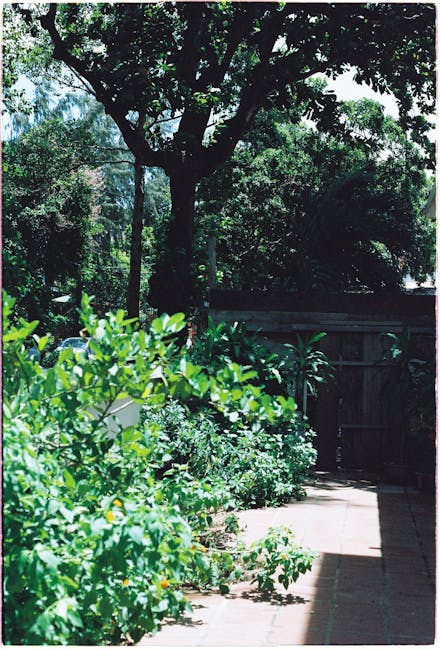
Kenton Lane gardeners guide for small front gardens

If your front garden feels more like a narrow strip than a proper garden, you are not alone. A lot of homes along Kenton Lane have modest frontage, awkward corners, or just enough room for a path, a couple of beds, and a bin store that never quite looks as tidy as you want. This Kenton Lane gardeners guide for small front gardens is here to make that space work harder, look better, and stay manageable without turning it into a full-time job.
The trick with small front gardens is not to cram more in. It is to choose better. Better structure. Better planting. Better maintenance habits. Done well, even a compact front plot can feel welcoming, neat, and properly finished from the pavement. And yes, it can still be low-fuss.
Below, you will find a practical, local-minded guide that covers planning, planting, upkeep, common mistakes, and the small decisions that make a big difference.
Why Kenton Lane gardeners guide for small front gardens Matters
Small front gardens carry more weight than people often realise. They are the first thing you see when you get home, and the first impression visitors get before they even knock. On a street like Kenton Lane, where frontages can vary a lot from one property to the next, a tidy, well-planned garden helps a home feel cared for straight away.
There is also a practical side. A small front garden can quickly become cluttered if it is not designed with purpose. Overgrown shrubs block light. A lawn that is too small to justify itself becomes patchy. Beds that are hard to reach get forgotten. Then suddenly the whole space looks tired. A good gardener does not just make it pretty; they make it easier to live with.
That is really why this guide matters. It helps you make calm, sensible choices for a compact outdoor space, rather than chasing ideas that belong in a larger back garden. Not every garden needs a statement tree or a dramatic border. Sometimes a clean path, two layers of planting, and a strong edge are enough.
Expert summary: In small front gardens, simplicity usually wins. The best results come from clear structure, restrained planting, and maintenance that fits real life rather than idealised weekend plans.
To be fair, front gardens are often judged in seconds. That sounds harsh, but it is true. People notice whether the space feels inviting, whether the bins are hidden, whether the plants are spilling over the path. Small improvements can have an outsized effect.
How Kenton Lane gardeners guide for small front gardens Works
This kind of garden work usually starts with a close look at the space itself. Width, depth, shade, soil condition, drainage, and how people actually use the front entrance all matter. A good gardener will notice the obvious things first, then the small problems that cause most of the hassle later. Drainage that stays soggy after rain. A hedge that shades out the wrong side. A path that narrows where you least want it to.
From there, the process usually follows a simple pattern:
- Assess the layout to see what should stay, go, or be reshaped.
- Define the function so the space can handle bins, access, privacy, planting, and parking if needed.
- Choose the structure such as edging, low walls, gravel areas, stepping stones, or compact beds.
- Select planting that suits the light, the soil, and the amount of upkeep you are willing to do.
- Set a maintenance rhythm so the garden stays sharp instead of drifting into messiness.
In a small front garden, every design choice has a knock-on effect. A bulky shrub can make the entire entrance feel tighter. A lighter planting scheme can make the same space feel twice as wide. That is why the best gardeners think in layers: ground level, eye level, and vertical interest. A neat border is good. A border that actually frames the house is better.
If you already know the whole place needs a reset, a broader service like regular garden maintenance or a more complete landscape gardening approach can help set the bones of the project before the finer detailing begins.
Key Benefits and Practical Advantages
Small front gardens are often dismissed as minor spaces. Truth be told, they can deliver some of the biggest returns for the least amount of area.
- Better kerb appeal: A tidy front space makes the whole property feel more cared for.
- Less daily frustration: A sensible layout means you are not constantly dodging pots, branches, or muddy patches.
- Improved light and openness: Careful pruning and lighter planting can make a narrow entrance feel more generous.
- Clearer access: Paths, gates, and steps become safer and easier to use.
- Lower maintenance load: Smart plant choices reduce the time spent cutting, sweeping, and reworking the same problem areas.
- Better use of limited space: Even the smallest plot can gain structure, texture, and seasonal interest.
There is also a quiet emotional benefit. A front garden sets the tone for the whole day. Coming home to something neat and alive, even if it is only a small bed with evergreen structure and a few well-chosen flowers, is a surprisingly nice feeling. One of those small things, but you notice it.
And if your garden has become too cluttered or neglected, clearing it properly before redesigning can save time later. In that case, garden clearance is often the sensible first step.
Who This Is For and When It Makes Sense
This guide is useful if your front garden is small, awkwardly shaped, sloped, or simply underused. It is especially relevant if you want a cleaner look without committing to constant upkeep. A lot of homeowners in Kenton Lane fall into one of these groups:
- Busy households that want a tidy entrance with minimal ongoing work.
- Homeowners preparing to sell and wanting to improve first impressions.
- New property owners dealing with a front garden that needs sorting out.
- Older gardens where shrubs have grown too large for the available space.
- People with limited gardening confidence who want a manageable plan rather than a big, complicated overhaul.
It also makes sense if you have a practical problem rather than a design dream. Maybe the path gets slippery in winter. Maybe the lavender has gone woody and messy. Maybe the front bed looks empty in January and overgrown by August. Those are real-world problems, and they deserve practical fixes, not just pretty mood boards.
If your garden needs regular trimming to stay under control, hedge and edge work may be part of the solution. A tidy frame often changes the whole picture, which is why many people pair this kind of project with hedge trimming or, where necessary, selective tree lopping and removal.
Step-by-Step Guidance
Here is the simple, sensible way to approach a small front garden. No drama. No overcomplication.
1. Measure the usable space
Start with the area that actually matters: the path, entrance, window lines, gate opening, and any fixed features such as drains or steps. Small spaces are easy to misread. A bed that looks tiny on paper can feel huge once it interrupts the route to the front door.
2. Decide what the garden must do
Ask a practical question first: what must this space achieve? Privacy? A better view from the street? A little wildlife interest? A cleaner approach to the house? If you know the main job, the design choices get much easier. You do not need six jobs from a two-metre border.
3. Strip out the clutter
Remove tired pots, broken edging, self-seeded plants, and anything that makes the garden feel crowded. This is often the point where the whole space suddenly makes sense. A clean slate is not glamorous, but it works.
4. Build a simple structure
In a small front garden, structure does most of the heavy lifting. That might mean a crisp edge, low hedge, gravel run, raised bed, or a compact paved area. The structure should guide the eye rather than trap it.
5. Choose the right planting mix
Keep the planting controlled. Mix evergreen structure with seasonal interest, and do not overcrowd. A small number of well-placed plants often looks richer than a packed bed full of weak performers. Think of texture and shape as much as colour. A spiky grass beside a rounded shrub can look more polished than a row of similar plants.
6. Add one focal point only
This could be a feature pot, a small ornamental tree, a sculptural plant, or a neat bench if the space allows. One focal point is enough. Two can work. Three is where things often start to wobble.
7. Set a maintenance routine
A front garden stays attractive because it is touched regularly. Light weeding, trimming, sweeping, and deadheading matter more than a big annual overhaul. If you prefer this kind of ongoing care to be handled for you, a routine service such as lawn mowing and broader upkeep can keep the whole frontage feeling looked after.
8. Review after one season
Let the garden tell you what is working. Maybe the lavender needs replacing. Maybe the front border gets more shade than expected. Maybe the path feels too narrow. Adjusting after a season is normal. In fact, that is often where a garden becomes properly good, not just newly planted.
Expert Tips for Better Results
Small front gardens reward restraint. That is the first rule. The second rule is to make the space feel bigger than it is, not busier than it should be.
- Use repetition carefully: Repeating two or three plants can create calm and rhythm. A random mix of ten different plants can look messy very quickly.
- Keep height under control near entrances: Tall planting is fine if it is placed with care, but avoid blocking sightlines or squeezing the approach to the door.
- Choose plants that cope with urban conditions: Front gardens often face more wind, road dust, and temperature swings than back gardens.
- Think in all seasons: A good front garden should not look brilliant for six weeks and then flat for the rest of the year.
- Use edging to sharpen the whole space: Clean edges make even ordinary planting look more intentional. Simple, but effective.
One of the best little tricks is to leave breathing room. Plants need space to mature, and so do people. A front garden that feels slightly underfilled at first can age beautifully. One that is packed on day one often becomes a maintenance headache. Happens all the time.
If you are adding hard landscaping, materials matter too. A clean, modest finish usually works better than a flashy one in a small frontage. For some homes, a modest decking service or a small paved seating area can be useful, but only if it fits the scale of the space. Otherwise it can feel a bit much, frankly.
Common Mistakes to Avoid
A lot of front garden problems come from trying to do too much. Here are the mistakes that most often make small spaces feel worse rather than better.
- Overplanting: Too many shrubs or perennials make the garden feel cramped and can create long-term maintenance problems.
- Choosing plants for looks only: A plant may look beautiful in a nursery, but if it outgrows the space, it becomes a problem.
- Ignoring access: If you have to squeeze around the planting every time you come home, the design is working against you.
- Forgetting the frontage viewed from the street: The garden should look good from outside, not just from the front window.
- Using too many surface materials: Gravel, paving, brick, and bark all at once can make a small area feel fragmented.
- Letting maintenance slip: Even the best layout can unravel if weeds, moss, and stray growth are left too long.
There is also the hidden mistake of being too cautious. Some people leave a front garden untouched because they fear getting it wrong. The result is usually worse than a simple, thoughtful refresh. A small garden rarely needs perfection. It needs direction.
If drainage is an issue, or if the soil stays wet after rain, you may need changes beyond surface planting. In those cases, a more comprehensive rethink through landscaping can make the site much easier to manage in the long run.
Tools, Resources and Recommendations
You do not need a garage full of kit to keep a small front garden in shape. A few reliable tools and a sensible routine usually do the job.
- Secateurs: For deadheading, light pruning, and tidy shaping.
- Hand fork and trowel: Useful for planting, weeding, and loosening compacted soil around borders.
- Shears or a small hedge trimmer: Good for keeping edges and compact shrubs neat.
- Stiff broom or leaf rake: Helps keep paths and gravel areas clean.
- Watering can or hose attachment: Essential during dry spells, especially for young plants.
- Mulch or bark: Helps retain moisture and suppress weeds, provided it is used sensibly.
For larger upkeep tasks, it can be worth separating the work into clear jobs: one visit for trimming and shaping, another for planting and bed refresh, another for clearance or seasonal tidy-ups. That keeps the job manageable. It also makes the work more predictable, which people tend to appreciate more than they expect.
Where you need ongoing care across the whole property, browsing a full services overview can help you see how a small front garden fits into wider maintenance or improvement work. If you are trying to understand budgeting and scope first, the pricing and quotes page can be a helpful starting point before you commit to anything.
Law, Compliance, Standards, or Best Practice
For most small front gardens, there is no complicated legal process involved in ordinary gardening work. Still, a few practical standards matter, especially in residential areas.
Access and safety: Paths, steps, and entrance areas should remain safe to use. In a small front garden, that means avoiding loose slabs, unstable edging, overhanging branches, or plants that block movement. If the space gets wet or shaded, slips can become a real issue, so surface choice and maintenance matter.
Boundary awareness: If planting sits close to a boundary or shared path, it is wise to keep growth under control and avoid anything that could cause friction with neighbours. Simple courtesy goes a long way. So does trimming before things become awkward.
Waste handling: Green waste should be disposed of responsibly. Many gardeners now separate reusable material from general waste and aim to recycle where possible. If sustainability is part of your decision-making, look for practices that support responsible disposal and material reuse, such as the approach described in recycling and sustainability.
Health and safety: If a gardener is working on your property, it is reasonable to expect safe working practices, especially where ladders, cutting tools, or heavier clearance work is involved. A clear policy on safety and insurance is a good sign, not a box-ticking exercise. It is reassuring, plain and simple. You can review that sort of approach in the site's insurance and safety information and health and safety policy.
Privacy and site terms: If you are sharing contact details or requesting quotes online, it is sensible to understand how your information is handled. That is where pages like privacy policy, terms and conditions, and payment and security matter in a practical way.
Options, Methods, or Comparison Table
Different small front gardens need different approaches. The best option depends on light, layout, maintenance tolerance, and how much you want the garden to do visually.
| Approach | Best for | Pros | Watch-outs |
|---|---|---|---|
| Low-maintenance planting | Busy homeowners, smaller budgets, simple curb appeal | Easy to manage, softens hard edges, seasonal interest | Needs the right plant selection or it can look sparse |
| Structured hard landscaping | Front gardens with access issues or worn surfaces | Clean lines, clearer use of space, durable finish | Can look severe if overdone in a tiny area |
| Mixed border and paving layout | Homes wanting balance between practicality and greenery | Flexible, attractive, good for focal points | Needs a careful ratio or the space feels cluttered |
| Clearance and reset | Overgrown or neglected front gardens | Quick improvement, easier future maintenance | Needs follow-up work or it can slide back |
For many homes, the most effective route is a mix: clear the space, define the structure, then add restrained planting. That way the garden looks deliberate from the start instead of like a collection of separate fixes.
Case Study or Real-World Example
A typical small front garden on Kenton Lane might be narrow, north-facing, and dominated by one tired shrub, a cracked path, and a bit of gravel that has slowly become weed habitat. Nothing dramatic. Just the sort of space people stop noticing because it never quite improves on its own.
In a realistic refresh, the first step would be to clear the overgrown planting and tidy the edges. A gardener would then check whether the path is wide enough for comfortable access and whether the soil is suitable for new planting. If the front of the house gets little sun, the next move would be shade-tolerant evergreen structure with a few seasonal plants for lift.
What often works best in this kind of setting is not a big flower display, but a calm composition: one low evergreen feature, one or two smaller flowering plants for colour, and a cleaned-up border with fresh mulch. Maybe a clipped shrub near the door and a neater line to the path. It is not flashy. But it feels cared for. That is the point.
And once the rhythm is set, upkeep gets easier. A short trim every so often, a bit of weeding, a sweep of the entrance after wet weather, and the space stays in good shape without needing a full reset every few months. You would be surprised how far that goes.
Practical Checklist
Use this quick checklist before you start. It keeps things grounded.
- Measure the space and note the narrowest points.
- Check how much sun or shade the front garden gets.
- Look for drainage problems, puddling, or soggy patches.
- Decide whether the main goal is appearance, access, privacy, or low maintenance.
- Remove dead plants, broken pots, and clutter.
- Keep paths, steps, and entrances clear and safe.
- Choose plants that fit the size of the space at maturity.
- Limit the number of different materials and colours.
- Plan a simple maintenance routine you can actually stick to.
- Review the garden after one season and adjust if needed.
If the checklist feels a bit too long, start with the first three items and work forward. Small front gardens improve faster when you focus on the essentials first. The rest tends to follow.
Get a free quote today and see how much you can save.
Conclusion
A small front garden does not need to be elaborate to be effective. In fact, the best results usually come from the opposite: clear structure, controlled planting, and maintenance that fits the way you actually live. That is the heart of a good Kenton Lane front garden approach. Practical, tidy, and quietly welcoming.
Whether you are refreshing a tired frontage, improving kerb appeal, or simply trying to make daily life easier, the right choices can make a compact space feel calmer and more complete. No need to chase trends or overfill the bed. A little discipline, a bit of judgement, and a steady hand go a long way.
If you take one thing from this guide, let it be this: small spaces reward thoughtfulness. Not perfection. Thoughtfulness. And that is a very good place to start.
Frequently Asked Questions
What is the best design for a small front garden on Kenton Lane?
The best design is usually simple and structured. A clear path, restrained planting, and one or two strong features tend to work better than lots of separate ideas competing for space.
How do I make a small front garden look bigger?
Keep the layout open, reduce clutter, use repetition in planting, and avoid oversized shrubs near the entrance. Clean lines and light-looking materials can help the space feel broader.
What plants work best in a small front garden?
Choose plants that stay compact, tolerate the site conditions, and look good for more than one season. Evergreen structure combined with a few seasonal highlights is often the safest approach.
Is low-maintenance planting a good idea for a front garden?
Yes, especially if you want a smart look without constant work. Just make sure "low maintenance" does not turn into "no maintenance," because every garden still needs some care.
Should I remove a lawn from a tiny front garden?
Often, yes. Very small lawns can be hard to keep looking good and may not add much value visually. Replacing them with planting or a more purposeful surface can make better use of the space.
How often should a small front garden be maintained?
Light attention every week or two is usually enough for tidy borders, paths, and planting. During growing season, trimming and weeding may be needed a little more often.
Can a small front garden still have privacy?
It can, but privacy has to be handled carefully. Low screening, compact shrubs, or selected taller plants can help, provided they do not block access or make the entrance feel closed in.
What should I do first if my front garden is overgrown?
Start with clearance. Remove dead growth, cut back overgrown shrubs, and reclaim the path and edges before thinking about new planting. It is much easier to design once the space is visible again.
Do I need professional help for a small front garden?
Not always, but professional help makes sense if the garden is overgrown, awkwardly shaped, or in need of proper redesign. A good gardener can save time and prevent expensive trial and error.
What is the difference between garden maintenance and landscaping?
Garden maintenance is about keeping the space tidy and healthy. Landscaping is more about changing the structure, materials, or layout. For small front gardens, the two often work best together.
How do I choose between planting and hard landscaping?
Choose planting if you want softness and seasonal interest. Choose hard landscaping if access, durability, or structure is the priority. Many small front gardens benefit from a balanced mix rather than one or the other.
Can a small front garden improve property appeal?
Yes, absolutely. A neat, well-kept frontage gives a strong first impression and suggests the home is looked after. It does not need to be elaborate to be effective.
If you want, the next step is simple: look at your front garden with fresh eyes, pick one main problem to solve, and build from there. Small gardens often improve fastest when you stop trying to solve everything at once. A bit at a time. That usually does the trick.