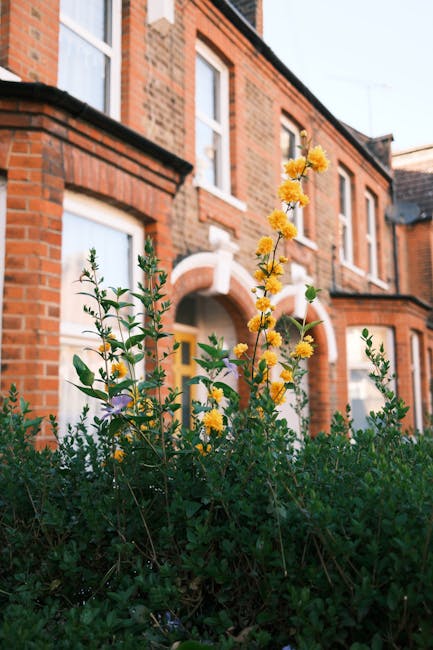
Kenton Road garden maintenance guide for terraced homes
Terraced-home gardens can be brilliant little spaces, but they do ask for a different kind of care. If you live near Kenton Road, you may already know the pattern: narrow borders, shaded patios, a lawn that never quite gets enough sun, and neighbours close enough that every hedge cut or bin day feels a bit more noticeable than it would in a detached house. This Kenton Road garden maintenance guide for terraced homes is built for exactly that reality. It covers what matters, what to prioritise, and how to keep a compact garden tidy, healthy, and genuinely usable without making the whole thing feel like a weekend burden.
Whether you are trying to tame a small back garden, keep the front garden neat, or simply stop weeds from getting the upper hand, the good news is this: terraced gardens respond well to steady, sensible maintenance. You do not need a huge budget or a giant toolkit. You need a clear routine, a few practical habits, and a bit of realism about what works in a tight urban setting.
For homeowners who want broader help beyond the basics, it can also be useful to look at garden maintenance support, lawn mowing services, or even hedge trimming when the growth starts to feel a bit out of hand. A little outside help now and then can stop a small job turning into a large one. Let's face it, that happens quickly in a terraced garden.
Table of Contents
- Why Kenton Road garden maintenance guide for terraced homes matters
- How Kenton Road garden maintenance guide for terraced homes works
- Key benefits and practical advantages
- Who this is for and when it makes sense
- Step-by-step guidance
- Expert tips for better results
- Common mistakes to avoid
- Tools, resources and recommendations
- Law, compliance, standards, or best practice
- Options, methods, or comparison table
- Case study or real-world example
- Practical checklist
- Conclusion
- Frequently Asked Questions
Why Kenton Road garden maintenance guide for terraced homes Matters
Terraced homes usually have less outdoor space, but not less outdoor responsibility. In fact, compact gardens often need more regular attention because issues show up faster. A few weeds in a large plot barely register. In a narrow Kenton Road back garden, they can make the whole space look tired within a week or two. The same goes for moss, leaf build-up, overgrown climbers, and patchy lawn edges.
Good maintenance matters for three main reasons. First, it protects the garden structure itself. Soil compaction, blocked drains, and unmanaged roots can cause slow damage that is easy to miss at first. Second, it keeps the garden pleasant to use. A terraced garden should feel like an extension of the home, not a muddy afterthought. Third, it helps preserve neighbourly goodwill. In tightly packed streets, tidy boundaries and controlled growth go a long way.
There is also a practical resale angle, though that should not be the only reason. A well-kept garden adds visual calm. Even a small paved space can feel much bigger if it is clean, edged properly, and planted with purpose. You notice the difference immediately when you step outside on a damp spring morning and the place still looks orderly. Not glamorous, just calm. And calm matters.
Expert summary: terraced-home garden maintenance works best when it is frequent, simple, and space-aware. Aim for small, regular tasks rather than occasional heavy clear-outs. That is usually the sweet spot.
How Kenton Road garden maintenance guide for terraced homes Works
The basic idea is straightforward: break the garden into zones, then maintain each zone according to how it behaves. A terraced garden often has a front strip, a rear garden, a boundary edge, and maybe a side return or paved access area. Each part needs slightly different care.
For example, a shaded rear garden may need more moss control and leaf clearing, while a sunny front garden may need lawn edging and drought-aware planting. A paved terrace might need pressure-free weed removal between slabs, while a planted border may need deadheading and seasonal mulch. The trick is not to treat the whole garden as one job.
In practical terms, maintenance usually involves:
- keeping surfaces clear of leaves, algae, and debris
- cutting back growth before it spills over paths or fences
- maintaining lawns, if you have one, with regular mowing and edging
- checking drainage and water run-off after heavy rain
- refreshing beds with soil care, compost, or mulch
- removing waste responsibly so clutter does not build up
If the garden has become heavily overgrown, a reset may be needed before routine maintenance can work properly. That is where garden clearance can be useful. After a clear-out, the maintenance plan becomes much easier to keep up with, because you are not fighting back against months of build-up.
For larger jobs involving awkward heights, unsafe branches, or mature trees crowding the space, it is wiser to look at specialist support such as tree lopping and removal. A terraced garden can look better instantly once light, airflow, and access improve. And yes, the space often feels bigger too.
Key Benefits and Practical Advantages
There is a reason consistent garden care feels easier than rescue gardening. You are reducing friction. No hidden piles of cuttings. No surprises behind the shed. No frantic scrabbling to make the garden presentable before guests arrive. Just a place that stays under control.
- Better kerb appeal: tidy edges, healthy planting, and clean surfaces make a terraced home feel more cared for from the street.
- Less weekend stress: regular maintenance takes less time than dealing with a full overgrowth job later.
- Healthier plants: pruning, feeding, and clearing debris improve airflow and reduce rot.
- Safer walkways: fewer slippery patches, fewer trip hazards, and less chance of pots, tools, or overgrown stems cluttering paths.
- Better use of small space: compact gardens need careful planning, so every square metre has a purpose.
- Improved drainage and cleanliness: especially helpful on paved or partly paved terraced gardens.
There is another benefit people sometimes overlook: maintenance helps you notice problems early. A cracked slab, a leaky downpipe, a plant that is failing in one corner, or an area that floods after a storm. Catching these things early is a lot cheaper and less annoying. Not exactly exciting, but very real.
Who This Is For and When It Makes Sense
This guide is for anyone living in a terraced home on or near Kenton Road who wants their garden to be manageable rather than demanding. That could mean a family with a small lawn and a lot of foot traffic. It could mean a busy professional who only gets outside at weekends. It could also mean a landlord preparing a property between tenancies, or an older homeowner who wants the garden kept safe and easy to enjoy.
It makes sense to follow a structured maintenance routine if any of the following sound familiar:
- the garden looks neat one week and wild the next
- weeds keep returning through paving or borders
- the lawn is thin, patchy, or difficult to cut evenly
- hedges and shrubs are starting to crowd windows, fences, or paths
- you have little storage, so tools and waste pile up quickly
- you need the space to serve more than one purpose, such as dining, children's play, and planting
It also makes sense if you are considering improving the garden rather than just keeping it tidy. In that case, routine maintenance and design work often go hand in hand. A stronger layout can reduce future effort. For a more substantial refresh, landscape gardening or broader landscaping may be worth exploring. Sometimes the right structure saves a lot of maintenance later. Simple as that.
Step-by-Step Guidance
A terraced garden maintenance routine does not need to be complicated. It needs to be repeatable. The following process works well for small and medium-sized gardens where space is at a premium.
1. Start with a full visual sweep
Walk the garden slowly and look for obvious issues: weeds, dead leaves, broken pots, overhanging growth, slippery patches, and anything blocking access. Do this before picking up a tool. You will notice patterns that are easy to miss when you rush in too soon.
2. Clear debris first
Leaves, twigs, and cuttings should go before any detailed work. In a compact garden, clutter creates the impression of neglect very quickly. A clean start also helps you see the true shape of the space, which is half the battle.
3. Cut back overgrowth in stages
Do not take too much off at once, especially with shrubs or climbers that have been left alone for a while. Trim lightly, step back, and assess. If the plant is near a boundary or grows into a neighbour's space, work carefully and keep the shape controlled rather than brutal. A bit of restraint goes a long way.
4. Tidy edges and borders
Edges make a huge difference in terraced gardens. Crisp lawn borders, weed-free path lines, and clear border definitions instantly improve the look of the whole area. Even if the planting is modest, good edging makes the garden feel intentional.
5. Deal with the lawn, if you have one
Mow regularly during active growing months, but avoid scalping the grass. Shorter is not always better. In shaded gardens, grass may need a slightly higher cut to recover more easily. Finish with a strimmer or edging tool where the mower cannot reach cleanly.
6. Check drainage and hard surfaces
Terraced gardens often rely on paved areas and compacted soil, so drainage can be a weak point. After rain, see where water sits. Remove moss, algae, and leaf sludge from paths and steps. If surfaces stay damp and slick, they become an avoidable nuisance. No one wants that slide-and-flail moment in November.
7. Refresh the soil and feeding routine
Borders and planters tend to lose vigour over time in small gardens. Add compost where needed, top up mulch, and feed plants according to their type. Keep it measured. More fertiliser is not always more growth; sometimes it just creates soft, awkward foliage that flops over the path.
8. Remove waste properly
Bag cuttings, separate green waste where possible, and keep the area tidy as you go. If the job produces more waste than your usual household bins can handle, a planned clearance service can save a second trip and a whole lot of mess. That is especially handy after a seasonal reset.
For homeowners wanting regular help rather than one-off intervention, a scheduled services overview can be a useful starting point when deciding what to combine and what to leave out. You do not need every service, of course. You just need the right mix.
Expert Tips for Better Results
There are a few small habits that make terraced garden maintenance much more effective. They are not dramatic, but they save time.
- Keep a small, visible routine. A 20-minute weekly tidy often beats a two-hour monthly rescue.
- Prune with the end shape in mind. In a narrow garden, shape matters more than sheer size.
- Use vertical space carefully. Climbing plants, wall planters, and trellis systems can create interest without taking up precious ground area.
- Mulch exposed soil. It helps keep moisture in and weeds down, which is useful in borders that dry out quickly.
- Watch the sun and shade pattern. Terraced homes often have one side of the garden that thrives and another that sulks a bit. Plant accordingly.
- Store tools as compactly as you can. Tiny gardens can feel chaotic if tools are left out. A shed corner, slim storage box, or wall hook system makes a difference.
If you are planning a more permanent outdoor feature, hard landscaping can reduce maintenance in the long run. For instance, a well-built decked area or paved seating zone can be easier to maintain than a high-maintenance lawn. In some gardens, adding or improving decking is a practical decision as much as a visual one. That is where decking services become relevant.
One more thing. Do not chase perfection every time. Terraced gardens are lived-in spaces. A little unevenness is normal. The aim is not to create a show garden behind a terraced house on a Tuesday afternoon. The aim is calm, usable, and easy to keep in shape.
Common Mistakes to Avoid
Most maintenance problems in small gardens come from overdoing, underdoing, or delaying the obvious job. It sounds simple because, well, it is.
- Leaving jobs until everything grows together: tangled borders are much harder to separate than a few weekly touch-ups.
- Cutting hedges and shrubs too hard: heavy cuts can leave bare patches or damage flowering structure.
- Ignoring boundaries: in terraced rows, growth spilling into shared or visible edges tends to become a neighbour issue quickly.
- Using the wrong tools: blunt shears, underpowered mowers, or oversized strimmers make small jobs messier than they need to be.
- Overwatering shaded spaces: damp, low-light gardens often need less water than people think.
- Letting waste sit around: cuttings left in sacks or piles can make the garden feel half-done and attract pests.
- Forgetting the seasons: a garden that looks fine in June may need a completely different plan by October.
A classic mistake is treating a terraced garden as a mini version of a larger suburban plot. It is not. Space is tighter, airflow is often lower, and the garden is usually more visible from the house itself. That means every small decision shows.
Tools, Resources and Recommendations
You do not need a shed full of specialist kit, but the right basics make maintenance far easier. For most terraced gardens, a manageable toolkit looks something like this:
- hand trowel and hand fork for borders and planters
- lightweight shears or secateurs for pruning
- mower sized appropriately for a small lawn
- garden rake or leaf grabber for seasonal clear-up
- weeding tool for paving joints and narrow beds
- stiff broom for paths, patios, and steps
- gloves, waste bags, and a bucket or trug for moving cuttings
For larger or recurring jobs, it may be worth comparing routine upkeep with more specialist help. For example, regular mowing is one thing, but if grass is constantly under stress from shade or foot traffic, a different maintenance approach may be needed. Likewise, a hedge near an upper window can become awkward to manage without the right equipment and experience.
You can also think in terms of problem-solving services. If the issue is simply seasonal debris, garden clearance might be the most efficient option. If the issue is a hedge crowding out light, then hedge trimming is the more targeted fix. Matching the job to the actual problem saves time and money. Always.
Law, Compliance, Standards, or Best Practice
For terraced-home garden maintenance, the most important compliance point is simple: work safely and avoid creating risk for yourself or others. In the UK, home garden work is usually straightforward, but there are still sensible best practices to follow. That includes using tools correctly, keeping pathways clear, and taking care when working at height or near boundaries.
If trees are involved, extra caution is wise. Tree work can quickly become hazardous if branches are large, awkward, or close to structures, so it is best handled with proper planning and safe equipment. Likewise, if you are dealing with disposal, follow local expectations for green waste and recycling rather than dumping cuttings into general rubbish without thought. Responsible disposal is part of good garden upkeep, not an optional extra.
It is also sensible to choose providers who take safety seriously. If you are hiring help, look for clear standards around insurance, risk awareness, and site conduct. A company that explains its approach in plain English is usually easier to trust than one that hides behind vague promises. You can review details such as insurance and safety, health and safety policy, and recycling and sustainability if you want a clearer sense of how a professional service approaches the work.
Best practice, in plain terms, means keeping the garden neat, safe, and manageable without causing damage to property, planting, or neighbouring spaces. That is the standard worth aiming for. Nothing flashy. Just done properly.
Options, Methods, or Comparison Table
Different terraced gardens need different levels of effort. The right method depends on how much time you have, how overgrown the space is, and whether you are maintaining, improving, or restoring it.
| Method | Best for | Pros | Limitations |
|---|---|---|---|
| DIY weekly upkeep | Small, manageable gardens with light growth | Low cost, flexible, easy to keep on top of | Can become overwhelming if the garden is already neglected |
| DIY seasonal reset | Gardens that only need a few big tidy-ups each year | Good for budget control and hands-on owners | May miss early warning signs like drainage or boundary issues |
| Routine professional maintenance | Busy households, landlords, or gardens with recurring growth problems | Consistent results, less stress, more reliable upkeep | Ongoing cost, though often predictable |
| Clearance followed by maintenance | Overgrown or recently neglected terraced gardens | Fast reset, easier long-term care afterwards | May need a larger initial effort |
If you are unsure which route fits best, a sensible approach is to start with the current condition of the space. Is it tidy but high-maintenance? Then routine care may be enough. Is it overgrown and awkward? Then a reset followed by smaller, regular jobs is usually the smarter call. The right method is the one you will actually keep doing, not the fanciest one on paper.
Case Study or Real-World Example
Consider a typical terraced garden off Kenton Road: narrow layout, paved rear section, a small strip of lawn, a couple of raised borders, and a climbing plant along the fence. In late autumn, the space starts to struggle. Leaves gather in corners. Moss appears on the paving. The lawn thins out. The climber reaches the top of the fence and begins leaning over into the next garden.
The first job is not to redesign anything. It is to regain control. Clear the debris, trim back the climber, reduce the hedge by a sensible amount, and tidy the lawn edges. Then check drainage after the next rain shower. If water is pooling near one end, the garden needs adjustment, not just a cosmetic tidy.
Once the garden is back in shape, the maintenance pattern changes. The lawn gets a regular light cut rather than an occasional heavy one. Borders are mulched in spring. The climber is pruned in stages rather than left to run wild. The paving is swept weekly during wet months so algae does not settle in. Nothing dramatic, but the garden now feels usable again.
That is usually the turning point. People realise they do not need a complete makeover. They need a rhythm. And once the rhythm is there, the garden starts looking after itself a little better, which is rather satisfying.
Practical Checklist
Use this checklist to keep a terraced garden on track through the year:
- clear leaves and debris before they build up
- cut lawns regularly during the growing season
- trim hedges, shrubs, and climbers before they obscure paths or windows
- weed borders, paving joints, and edge lines
- check for slippery paths after wet weather
- inspect drainage and water run-off
- top up mulch or compost where soil looks tired
- remove dead growth and spent flowers
- keep tools stored neatly and safely
- separate and remove green waste in manageable amounts
- review problem areas after each season change
- book help early if the garden is becoming too much to handle alone
Quick practical note: if a job keeps getting postponed, that is usually the one to deal with first. The longer it waits, the noisier it gets. Gardens have a habit of reminding you.
For homeowners who want a more joined-up approach, the broader pricing and quotes information can help shape expectations before committing to any service. Clear expectations make decisions easier, which is no bad thing when time is tight.
Get a free quote today and see how much you can save.
Conclusion
A terraced garden does not need to be large to be rewarding. In many ways, smaller spaces are more satisfying because the improvement is immediate. A border that is cut back, a path that is cleared, a lawn edge that is straight again - those little things change the feel of the whole home.
This Kenton Road garden maintenance guide for terraced homes is really about reducing friction and making the space easier to love. Keep the routine simple, match the maintenance to the layout, and deal with small issues before they grow legs. If you do that, the garden stays useful, calm, and much less needy. Which, truth be told, is exactly what most terraced-home owners want.
And if you need a bit of extra help to get there, there is nothing wrong with that. A well-kept garden is a pleasure, not a burden, and it should stay that way through the seasons.
Frequently Asked Questions
How often should a terraced home garden on Kenton Road be maintained?
Most terraced gardens do best with light weekly attention and a slightly deeper tidy every month or season. Small, regular jobs are far easier than letting everything build up and tackling it all at once.
What makes terraced gardens different from other gardens?
They are usually narrower, more visible from the house, and more affected by shade, boundaries, and limited storage. That means maintenance has to be more deliberate and space-aware.
Is lawn mowing always necessary in a small terraced garden?
Not always. Some terraced gardens work better with paving, planting, or decking instead of grass. If you do have a lawn, regular mowing helps keep it healthy and tidy, especially in the growing season.
What should I do if my garden has become overgrown?
Start with a clearance rather than normal maintenance. Remove waste, cut back obvious growth, and reset the space before moving into a regular upkeep routine. Otherwise, you are just trimming around the problem.
How can I stop weeds from returning in paving and borders?
Keep surfaces swept, remove weeds early, and make sure borders are not left bare and exposed for long periods. Mulch in the right places can also help reduce repeat growth.
When is the best time to trim hedges and shrubs?
It depends on the plant type, but the general rule is to trim before growth becomes difficult to control. Light shaping is usually better than waiting for a hard cut later. If in doubt, trim gently and reassess.
What are the main risks in small garden maintenance?
Slippery surfaces, hidden trip hazards, awkward tools, and overcutting plants are the usual ones. In terraced gardens, boundary awareness matters too, because space is tight and close to neighbours.
Can I improve a terraced garden without a full redesign?
Absolutely. Better edges, cleaner surfaces, healthier planting, and a more regular maintenance rhythm can transform the space without any major landscaping work.
What tools do I really need for a small garden?
A hand trowel, secateurs, gloves, a broom, a weeding tool, and an appropriately sized mower are usually enough for most routine jobs. You do not need to overbuy. Most people do, to be fair.
How do I know whether to book professional help?
If the work is taking too long, feels unsafe, or keeps slipping down your list, professional help is worth considering. It can be especially useful for clearance, hedge work, tree-related jobs, or regular maintenance that you do not have time to manage yourself.
Is maintenance different in shaded terraced gardens?
Yes. Shaded gardens often need more attention to moss, drainage, and plant choice. They may also need less mowing and more careful watering than sun-drenched gardens.
What is the simplest way to keep a small garden looking neat year-round?
Clear debris often, keep edges tidy, cut back growth before it spills everywhere, and do not let waste linger. That simple rhythm makes a bigger difference than any fancy trick.
If you are ready to turn a cramped or tiring outdoor space into something easier to manage, start with one small task today. Little by little, the garden changes - and usually for the better.